The Architecture of Reliability.
How we translate source-side file problems into controlled backend execution.
The Scoping Intake
You interface directly with our leadership. We review the raw source data, understand the target marketplace, quick-commerce, or PIM format, and define the exact backend scope. We also identify where rejection-driven correction or exception handling may be required
SOP Engineering
Before operators touch the file, we define the handling logic. This includes field separation, capitalization rules, mapping rules, variation treatment, image alignment rules, and exactly what should happen when source data is missing or ambiguous.
The Pilot & Calibration
We execute a controlled sample of the data so you can review how the file is being translated, structured, and exception-handled before broader execution is discussed.
If you want to include size, use:
We execute a controlled sample of 100 to 200 SKUs so you can review how the file is being translated, structured, and exception-handled before broader execution is discussed.
Supervised Execution
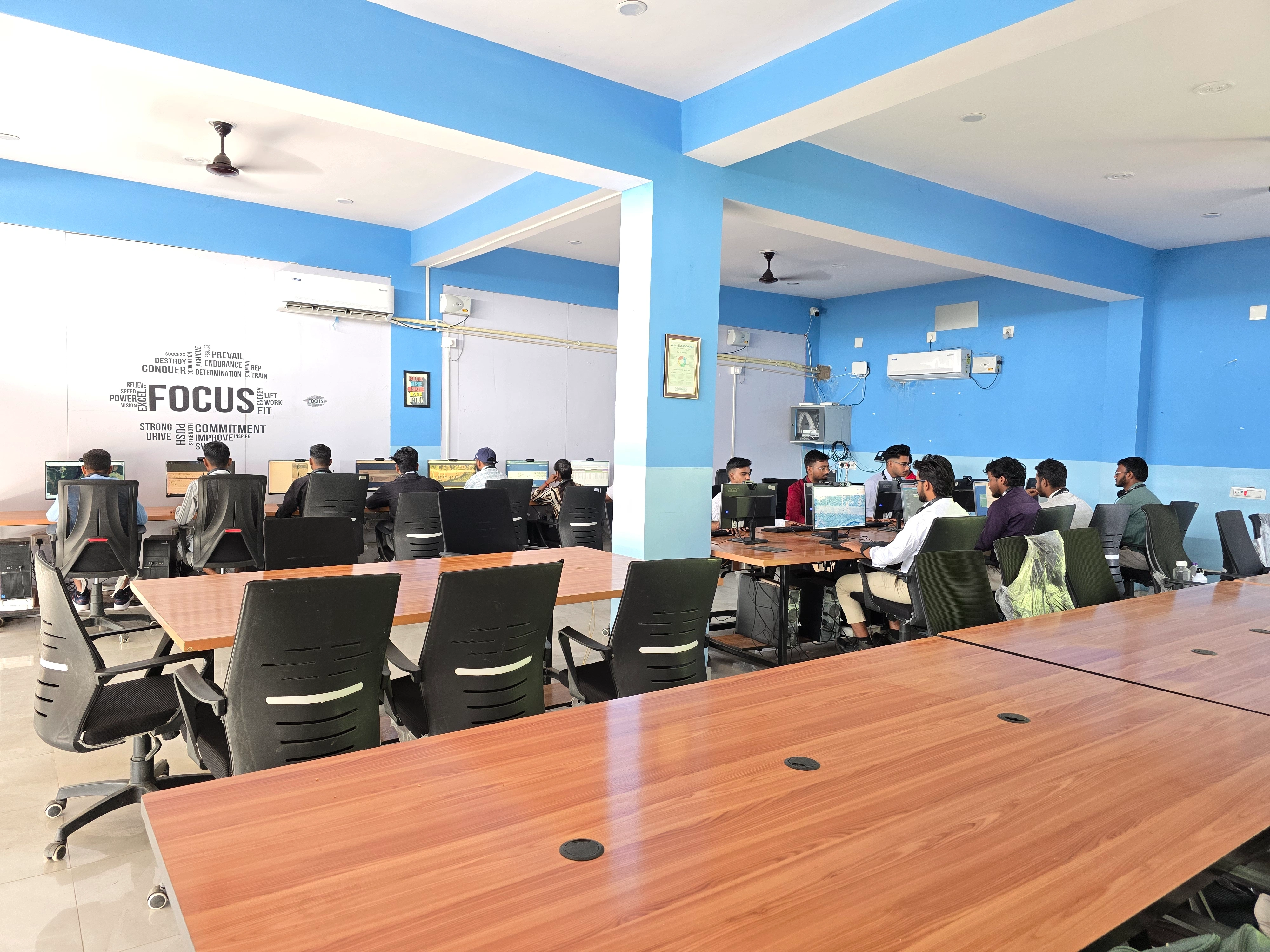
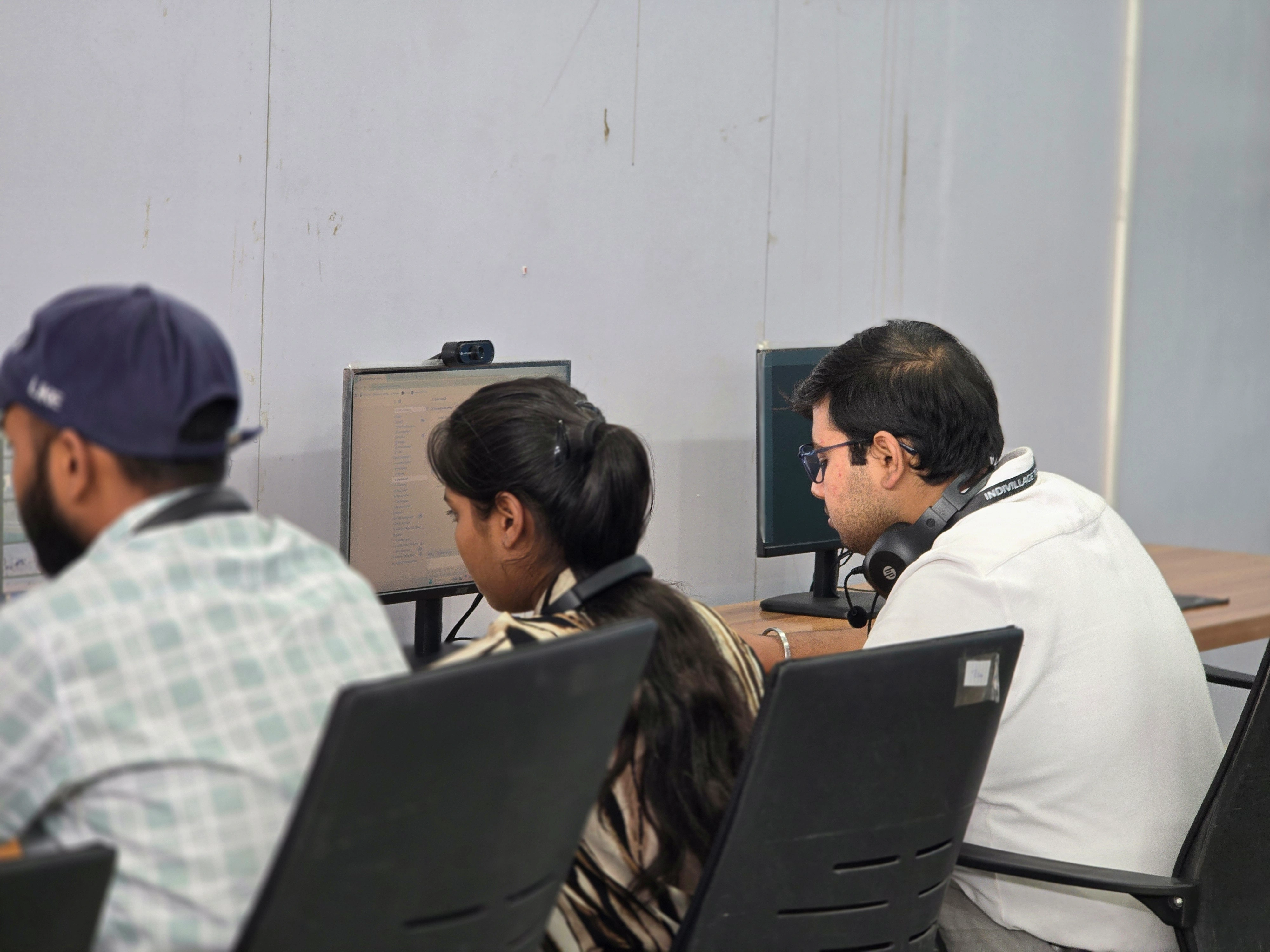
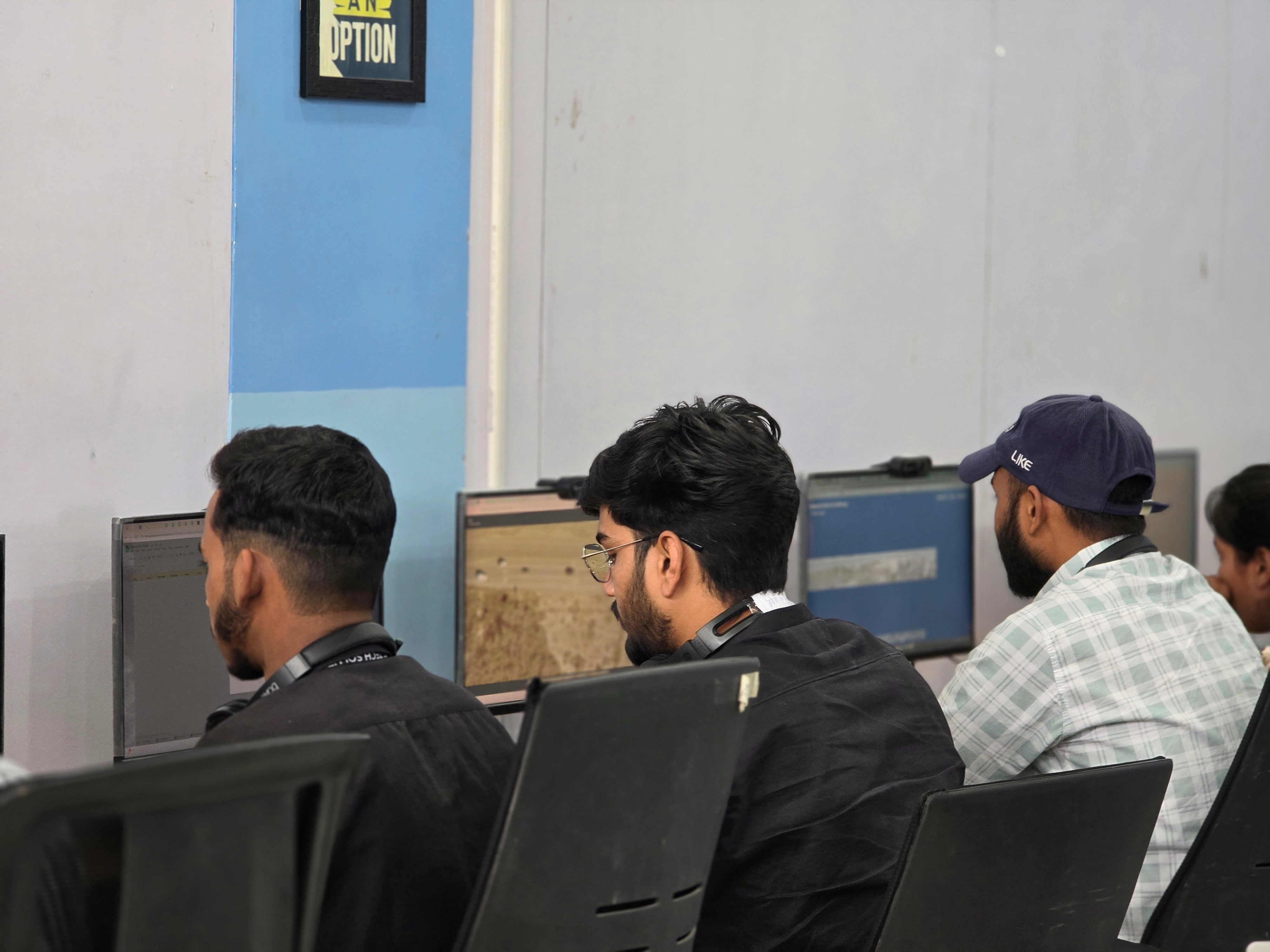
Our operators carry out the work inside a supervised physical operations center, strictly following the defined handling logic. If they encounter a scenario not supported by the rules or source data, it is flagged rather than guessed.
Internal Quality Assurance
Every output file is reviewed internally before delivery. We check structure, field placement, required values, mapping logic, and whether any unresolved items have been correctly separated into the exception layer.`
Delivery & Exception Reporting
We deliver the marketplace-ready file alongside a structured Exception Report. This clearly identifies the items where source-side gaps, conflicts, or unsupported cases still require client-side input.


Commercial Clarity:
Our Operational Boundaries.
To provide controlled execution, we must be strictly honest about our scope. We are a specialized backend execution team, not a full-service digital agency.
What We Do.
-
Translate raw product data into marketplace-ready structure.
-
Extract and structure data from Shopify exports, legacy ERP spreadsheets, supplier PDFs, and mixed spreadsheet files.
-
Separate merged attributes into the correct individual fields.
-
Correct capitalization, duplicate-row issues, and field-level inconsistencies.
-
Map source data into Amazon, Flipkart, Meesho, or specified PIM templates.
-
Support backend rejection correction by updating the relevant inventory-file attributes.
-
Coordinate exact SKU-based image renaming and basic marketplace-required image formatting.
-
Prepare quick-commerce onboarding templates requiring FSSAI, manufacturer, and volumetric fields.
-
Provide supervised backend execution with 100% human QA before delivery.
What We Do Not Do.
- Copywriting of any kind.
- Original bullet points, product descriptions, or Amazon A+ content.
- Graphic design work.
- Lifestyle image creation, infographics, or complex background removal.
- SEO keyword research.
- Pay-Per-Click (PPC) advertising management.
- Direct communication with your end-clients.
- Ambiguous work requiring deep subjective judgment without defined handling rules.
- Website development or complex software engineering.